Owner-run businesses like these generally sell for about one and a half to three times a year's adjusted profit, meaning profit with the owner's own pay and personal costs added back, and recurring commercial work pushes the price up while one-off domestic jobs hold it down. We add pressure washing and exterior cleaning businesses to this page as owners instruct us.
What a pressure washing business for sale includes
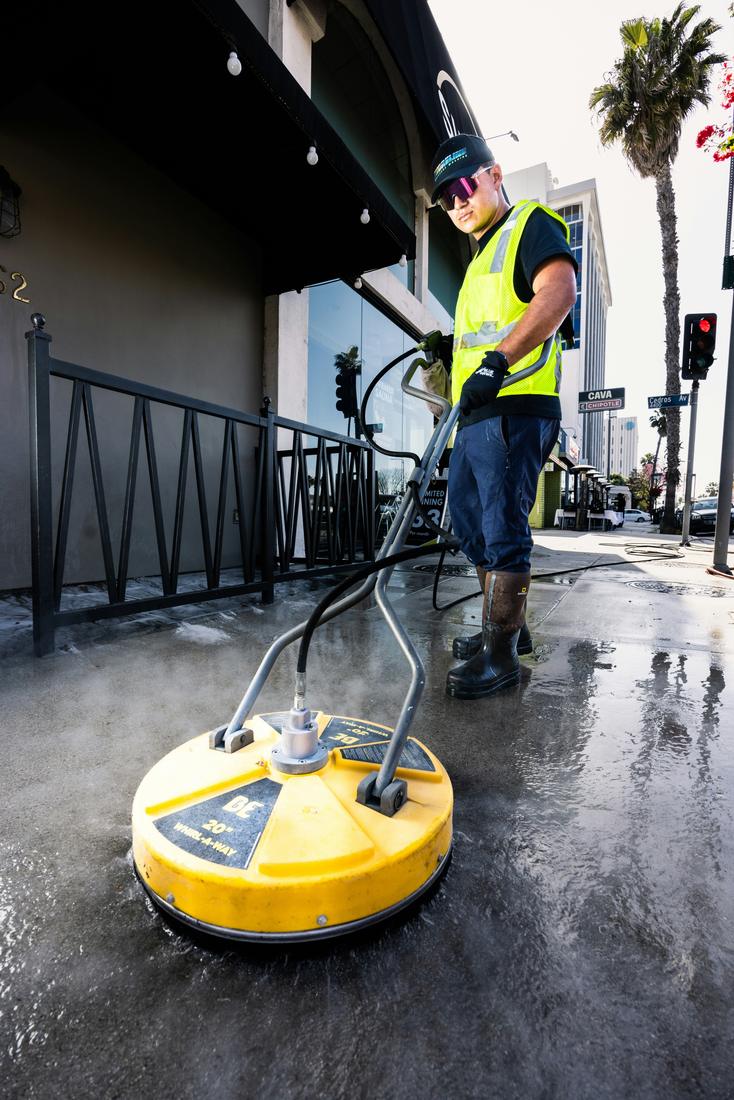
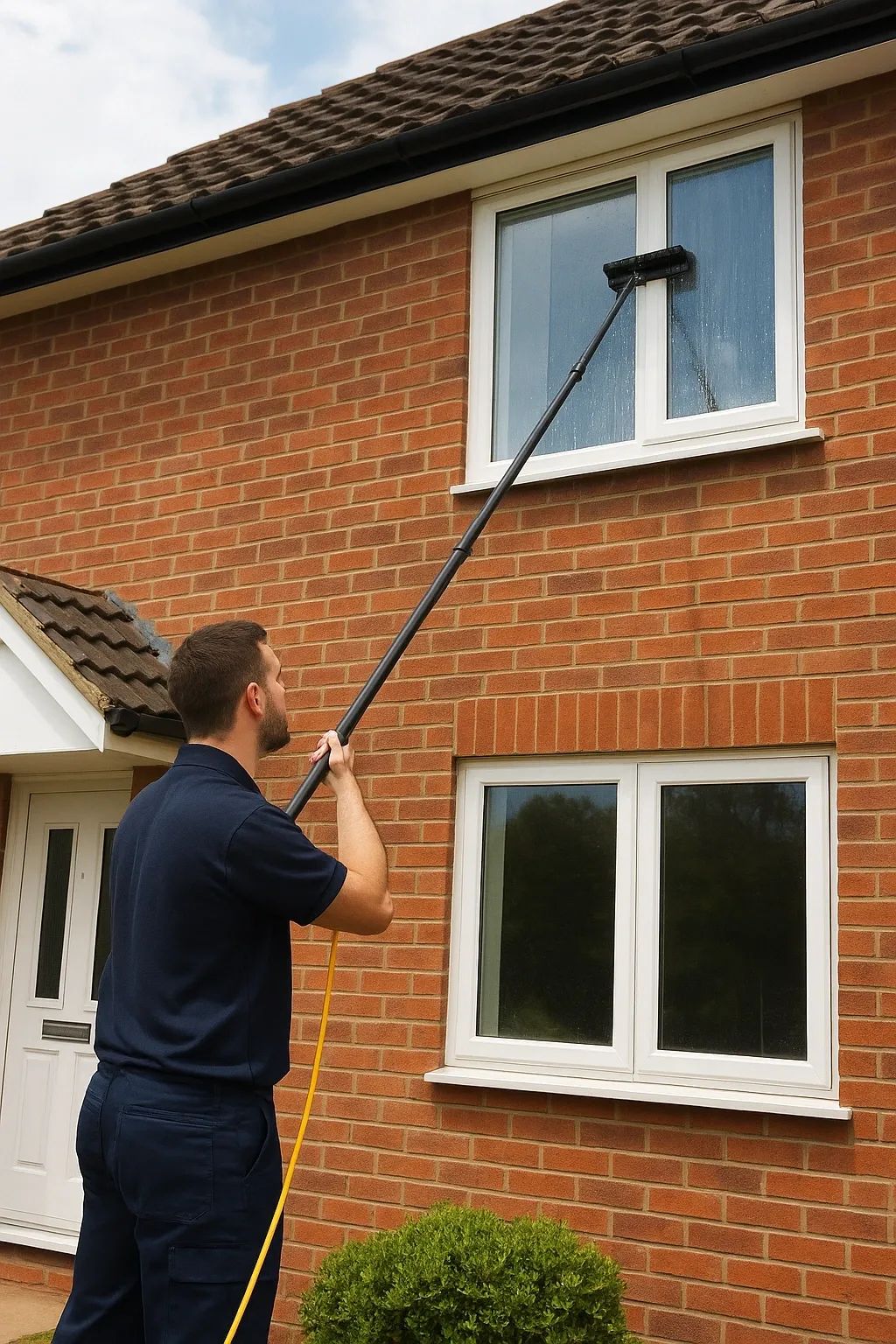
Most of what you buy in a pressure washing business is the equipment and the customers, along with the reviews and website that bring in new enquiries. The kit usually means one or more petrol or diesel pressure washers, a rotary surface cleaner for driveways and patios, sometimes a hot water unit for chewing gum and grease, soft washing equipment for roofs and render, a water tank, hoses and reels, and a van or trailer fitted to carry it all.
Soft washing, which cleans render, roofs and cladding with low-pressure chemical solutions rather than high-pressure water, brings its own records, since the biocides and cleaning products involved fall under the COSHH regulations on hazardous substances at work. A buyer should expect to see the product data sheets and the risk assessments the business works to.
Seasonality in exterior cleaning work
Exterior cleaning is busiest from spring to early autumn and quiet through the winter, so a year of monthly figures tells a buyer far more than a single month or a summer quarter. Ask for turnover and jobs by month across at least one full year, and preferably two, so you can see how deep the winter dip goes and how the owner fills it, whether with commercial contracts, gutter clearing, Christmas work or simply time off.
Timing the purchase also affects how the first year goes, since taking over in late winter gives you the spring rush to meet the customer list, while buying in October means paying for the business and then waiting several months for the main income to arrive.
Recurring commercial work and one-off domestic jobs
The mix of work sets where a pressure washing business sits within its price range, because recurring work arrives without advertising and one-off work has to be won again every year. Commercial customers such as retail parks, car parks, forecourts, restaurants, housing providers and property managers often book cleaning on a schedule, monthly, quarterly or yearly, and some have written agreements, which gives a buyer turnover that can be counted on.
Domestic driveway, patio and roof cleaning is mostly one-off, with some customers coming back every year or two for a clean and reseal, so the value lies in how many enquiries the reviews and website produce and how well the owner converts them. Ask for a breakdown of last year's turnover by customer, showing which customers booked more than once and which commercial accounts are on a schedule, and check that no single commercial customer provides too large a share of the work.
Waste water rules for pressure washing
Waste water from cleaning is the area where a pressure washing business can carry hidden risk, so a buyer should ask how the business handles it on every type of job. GOV.UK guidance on pollution prevention for businesses explains that surface water drains discharge directly to the environment and that only clean water should go into them, while contaminated water, such as water carrying detergent or oil from washing, should go to a foul drain with the water company's permission or be taken away by a registered waste carrier.
For a buyer that means asking whether the business collects run-off on commercial sites, how it deals with chemical and degreaser jobs, whether it holds any waste carrier registration it relies on, and whether any client contract sets rules of its own about wash water. A business that can show its method in writing, and has never had a complaint or enforcement letter, is a much easier purchase.
What to check in an exterior cleaning business
The checks below are those we would expect a buyer to work through on any pressure washing or exterior cleaning business.
| Area | What a healthy business shows | Warning signs |
|---|
| Monthly figures | A full year or two of turnover and jobs by month | Only summer figures, or accounts with no monthly detail |
| Customer mix | Scheduled commercial accounts alongside domestic work | Almost all one-off domestic jobs won through paid adverts |
| Equipment | Machines serviced and in working order, with ages and receipts | Kit near the end of its life or on finance not disclosed |
| Waste water | A written method for run-off and chemical jobs | No method, or complaints from clients or the council |
| Insurance and records | Public liability cover, risk assessments and product data sheets | Claims for damage to surfaces, cars or render |
| Reviews and enquiries | Steady reviews and a website that brings in work | Reviews tied to the owner's personal name or profile |
How pressure washing businesses are priced
Pressure washing businesses are priced on adjusted profit, meaning a year's profit with the owner's own pay and personal costs added back, and an owner-run business usually sells for about one and a half to three times that figure, so £50,000 of adjusted profit would usually point to a price between £75,000 and £150,000. Equipment is sometimes included in that price and sometimes priced on top at its second-hand value, so check which applies before comparing businesses.
Scheduled commercial work, a full winter diary, a written waste water method and reviews in the business's own name all move the price towards the top of the range, while a business relying on one-off domestic jobs and paid adverts sits lower. These figures are a rough guide rather than a valuation, and our guide to what a cleaning business is worth explains the adjustments. Window cleaners often add pressure washing to their rounds, so our page on window cleaning rounds for sale may also interest you, and if you would like to hear about exterior cleaning businesses first, register as a buyer.
Questions buyers ask
How much does a pressure washing business cost?
An owner-run pressure washing business usually sells for about one and a half to three times a year's adjusted profit. £50,000 of adjusted profit would usually point to a price between £75,000 and £150,000. Check whether the equipment is included or priced on top.
Is pressure washing work seasonal?
Yes, exterior cleaning is busiest from spring to early autumn and quiet in winter. Ask for at least a full year of monthly figures, and look at how the business fills the winter months.
Can wash water go down the drain?
Only clean water should go into surface water drains, according to GOV.UK pollution prevention guidance. Contaminated water should go to a foul drain with the water company's permission or be removed by a registered waste carrier.
What makes a pressure washing business worth more?
Scheduled commercial accounts, a full winter diary and reviews in the business's own name all raise the price. Well-kept equipment and a written method for handling waste water help as well.
Do soft washing businesses need special records?
Soft washing uses biocides and cleaning chemicals, which fall under the COSHH regulations on hazardous substances at work. A buyer should expect to see product data sheets and the risk assessments the business works to.